Design Engine
Carbon Design Engine is a cloud-based design software that creates production-ready lattices, textures, and more, saving engineers significant time and effort in designing breakthrough products.
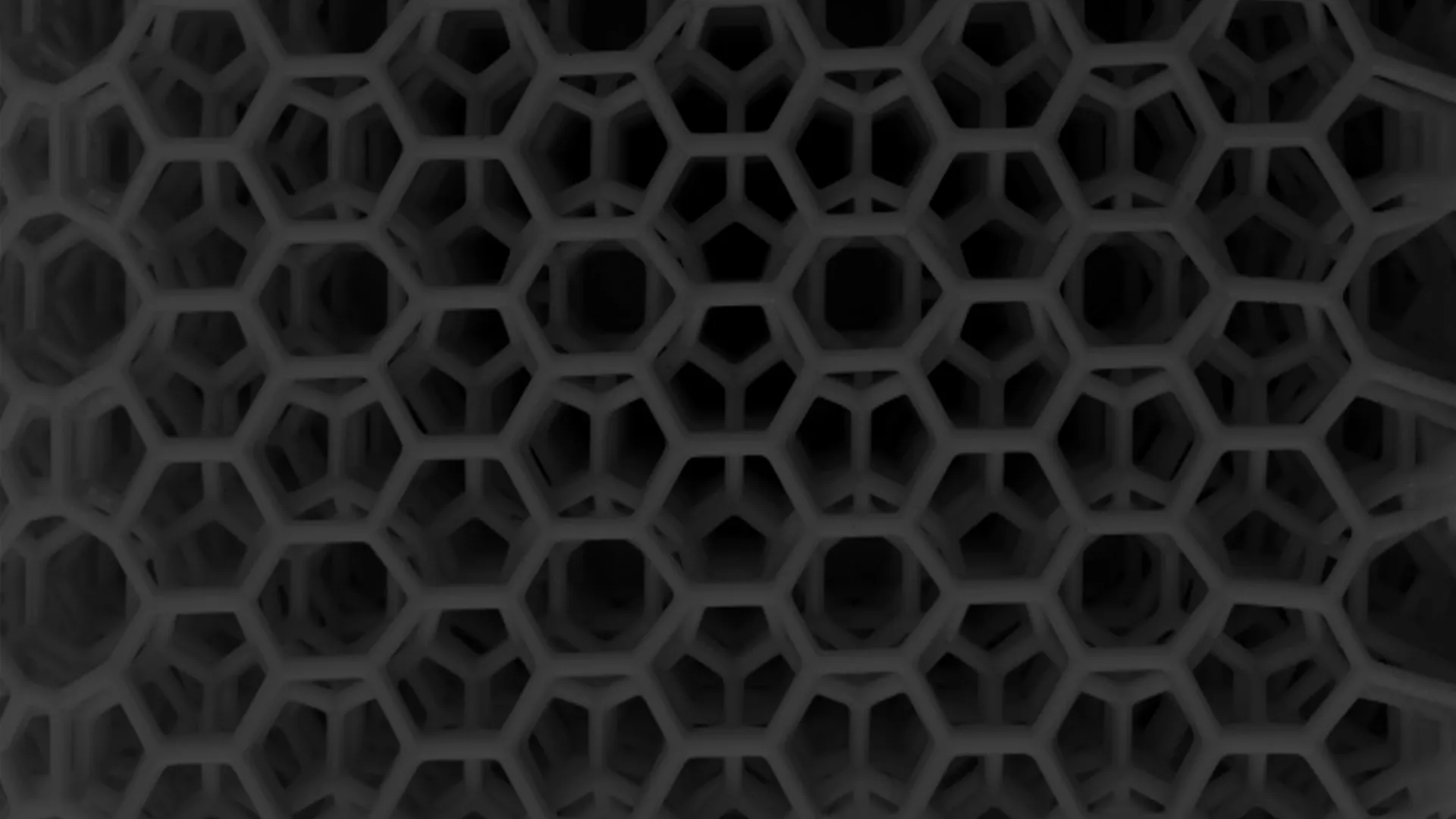
Benefits of Design Engine
Lattices
In Carbon's Digital Light Synthesis (DLS) technology, a lattice is a structural framework composed of interconnected elements that provides strength while minimizing material use. This approach enables the creation of lightweight, robust designs that optimize performance and reduce costs in additive manufacturing, making them crucial in advanced product development across various industries.
Using a Carbon Design Engine lattice in your application offers a number of unique benefits, especially when using Carbon's engineering-grade elastomer materials.
Conformal Lattices
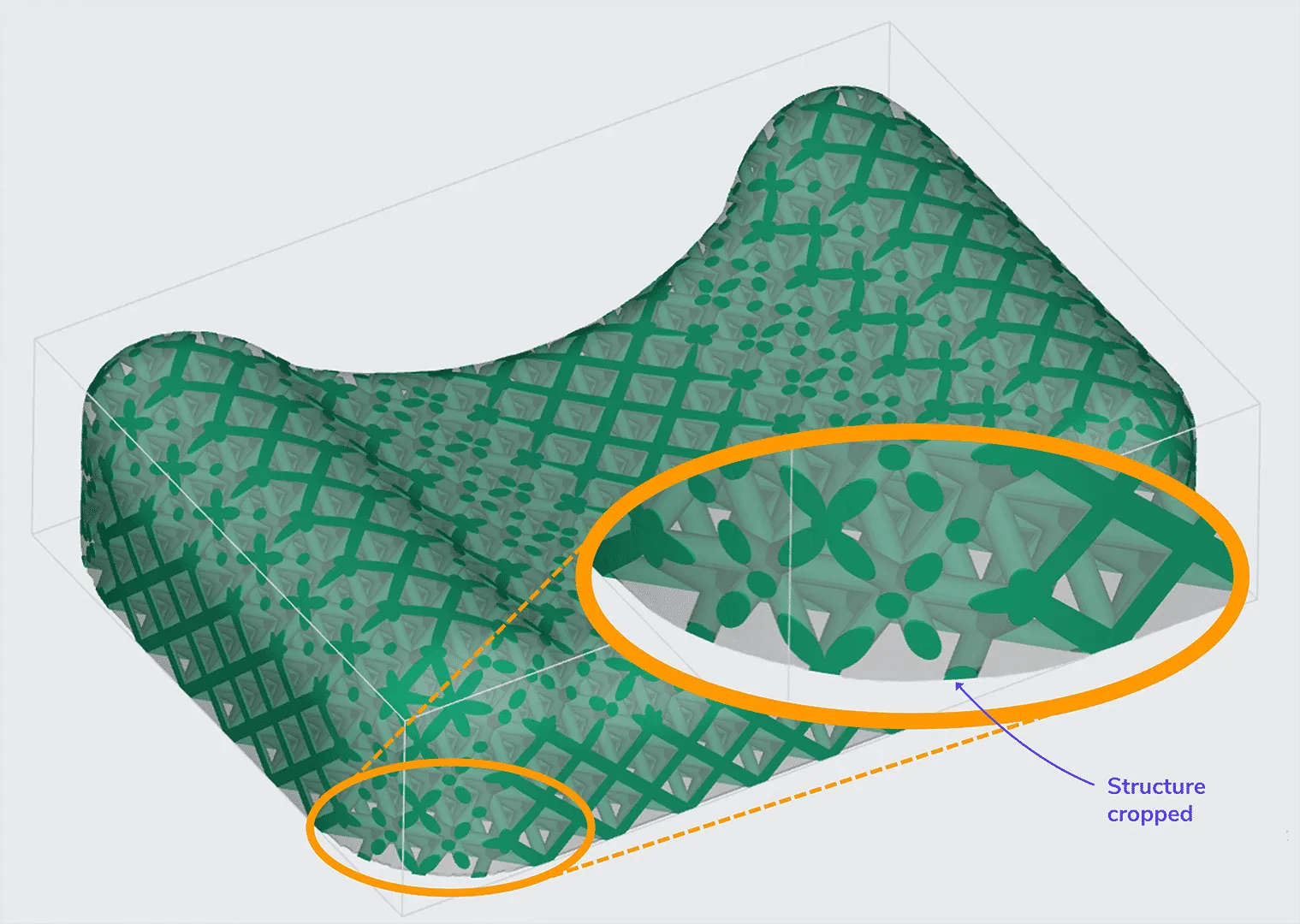
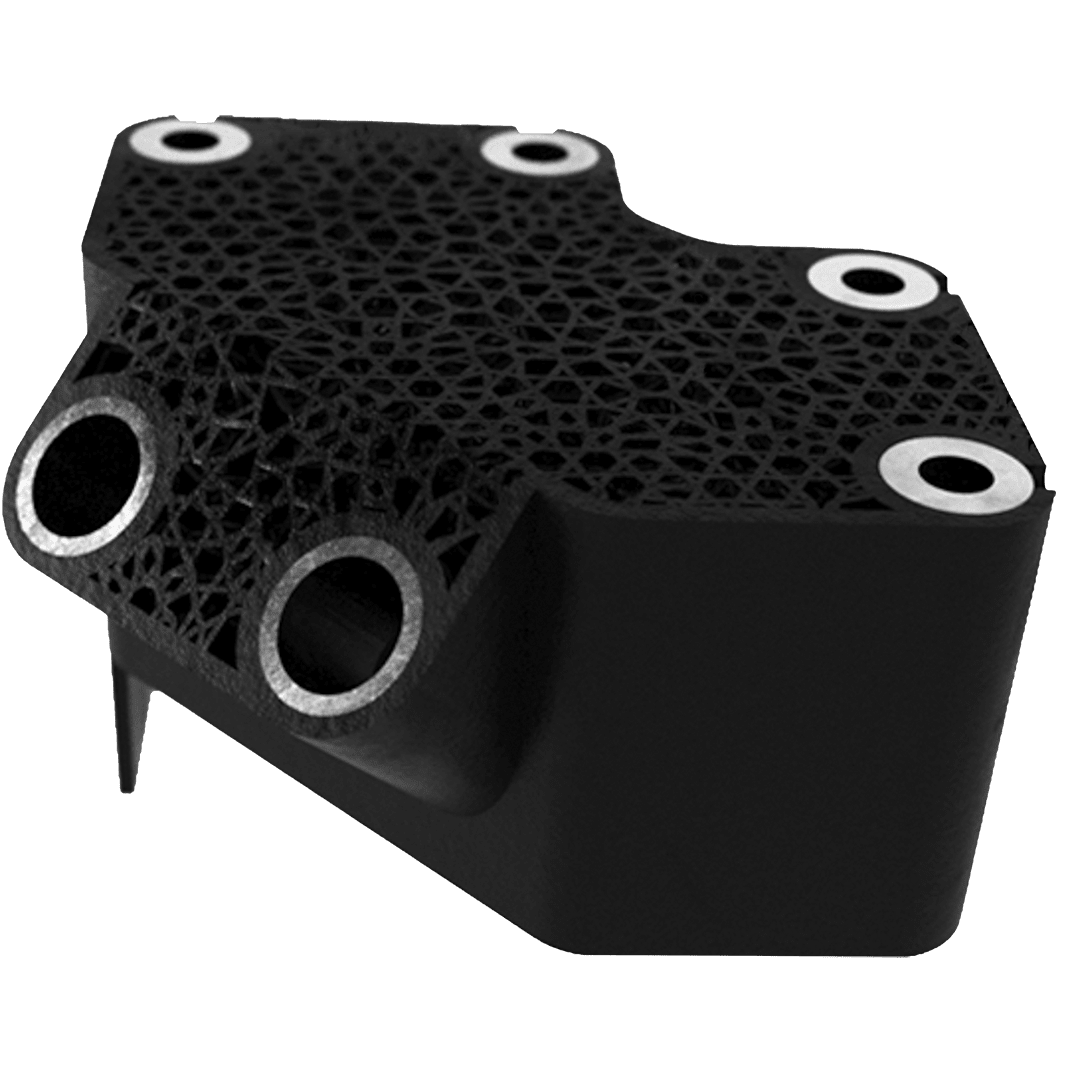
A conformal lattice fully adapts to its assigned shape along its outer surfaces and edges, filling every curve without breaking structural integrity. Some lattice design software will generate non-conformal lattices and allow you to adjust them manually to become conformal, but this is a tedious, error-prone manual process.
Other Software
A structural and performance breakdown is a common problem with lattices in traditional software.
The structure of the lattice is cropped at the edges and surface of the design space, breaking the integrity of the structure.
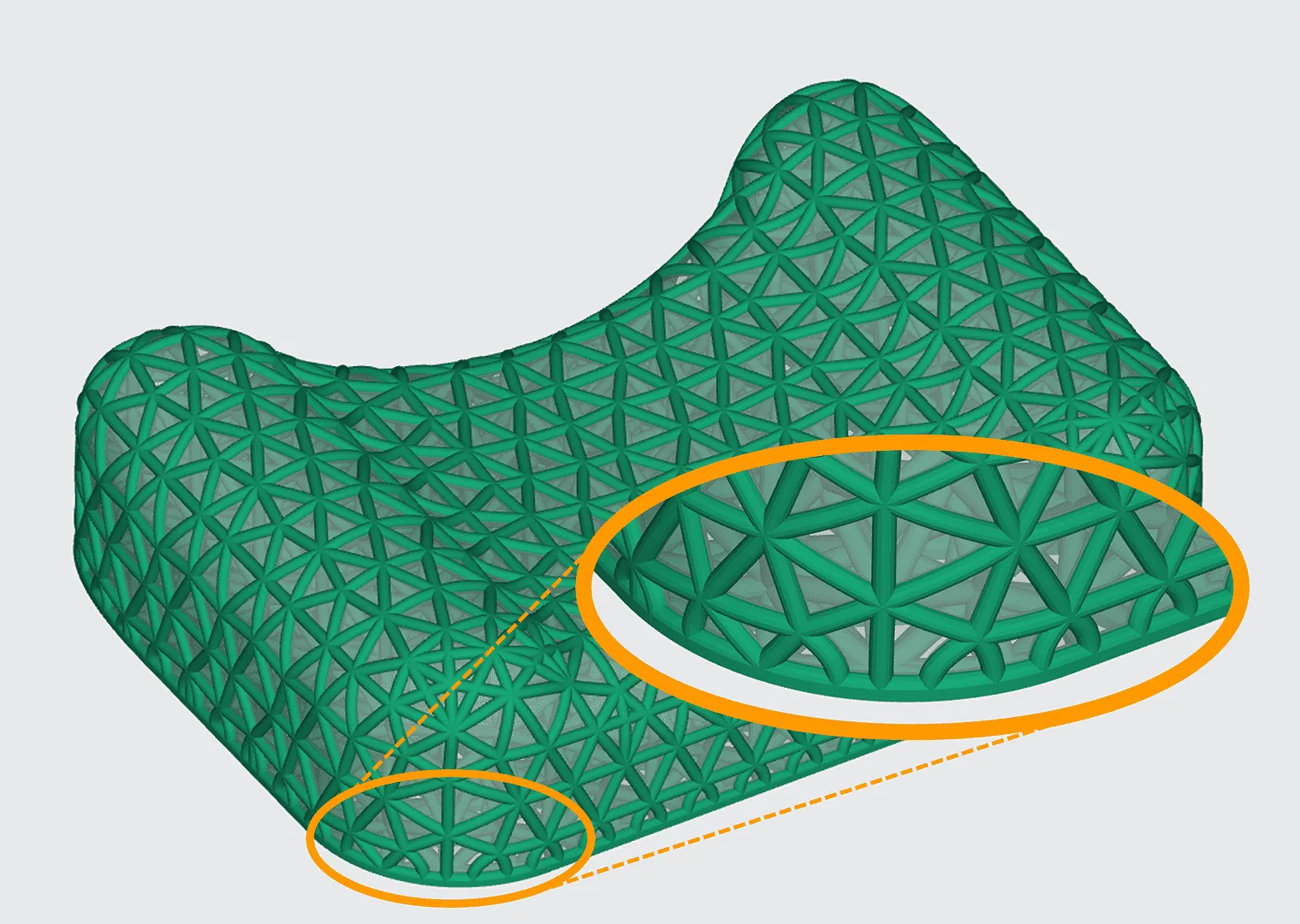
Carbon Software
Carbon Design Engine lattices are conformal.
At the edges and surface of the design space, the structure simply adapts to the shape, filling every curve without breaking the structural integrity.
Customizable Performance
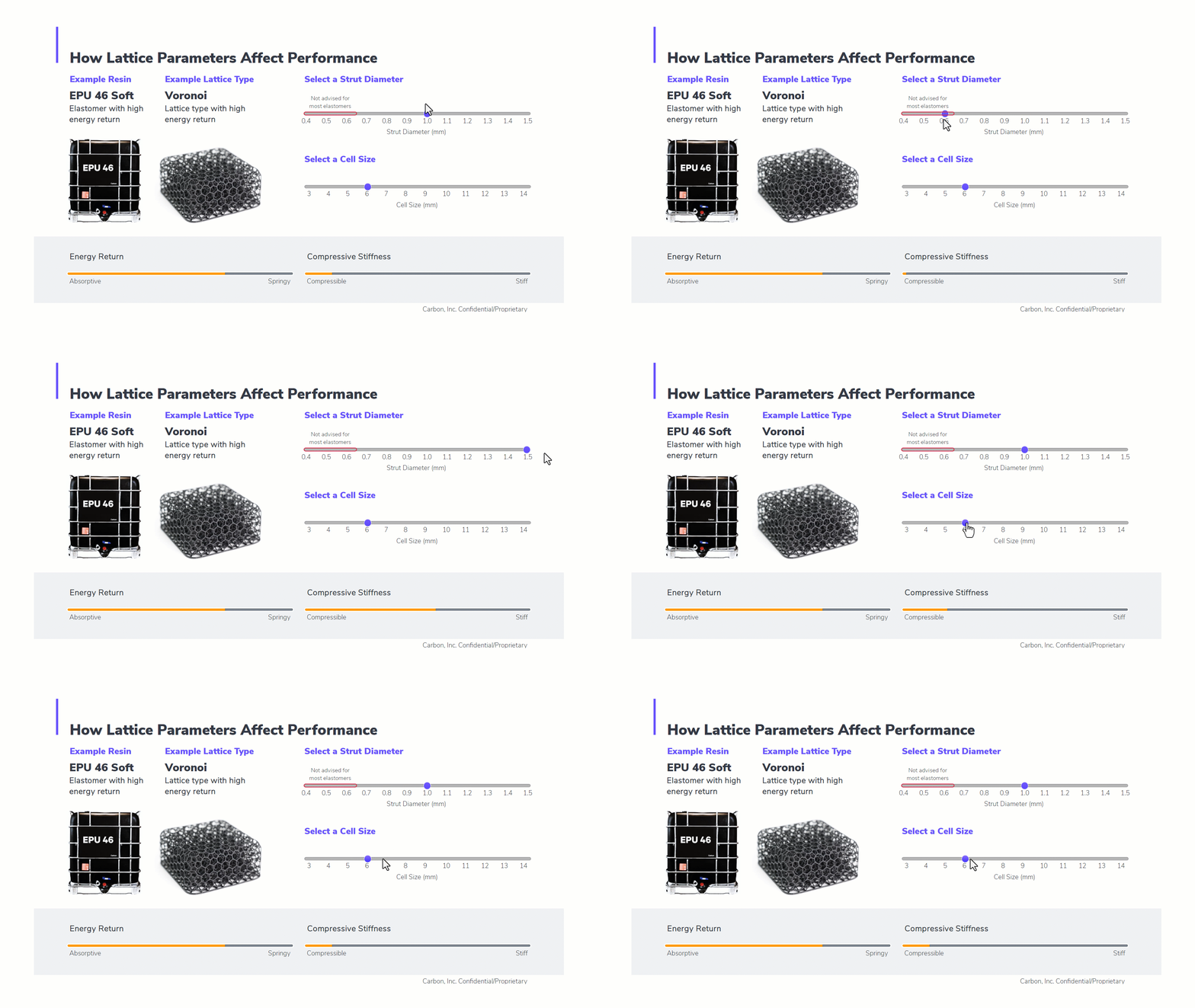
How do you want your lattice to behave? Adjusting Lattice Parameters allows you to fine tune your product's performance.
Carbon's engineering-grade elastomer materials, in particular, offer a wide range of performance potential.
Energy Return or Impact
Two variables influence the energy return or impact of a lattice, which determines how absorptive or springy the lattice performs.
- Material- resin selection
- Lattice Type - pattern selection
Compressive Strain
Two dimensional variables affect the compressive strain of a lattice, which affects how compressible or stiff the lattice performs. Some materials and lattice types are also stiffer than others.
- Strut Diameter - direct relationship
- Cell Size - inverse relationship


Multi-zonal Lattices
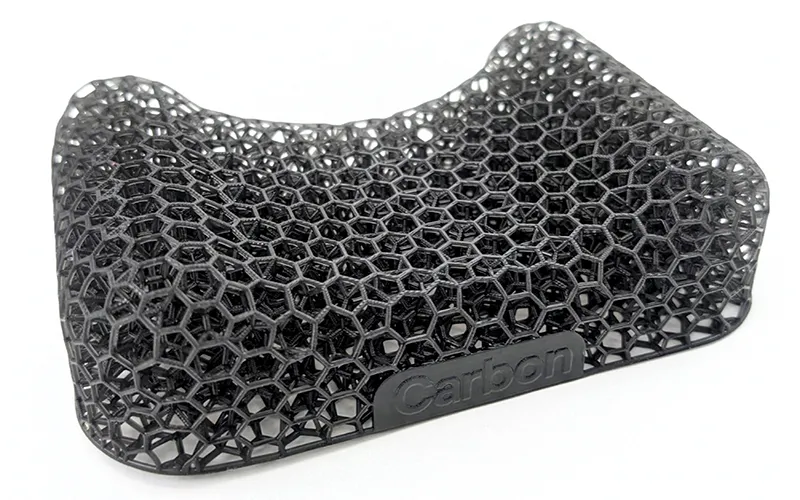
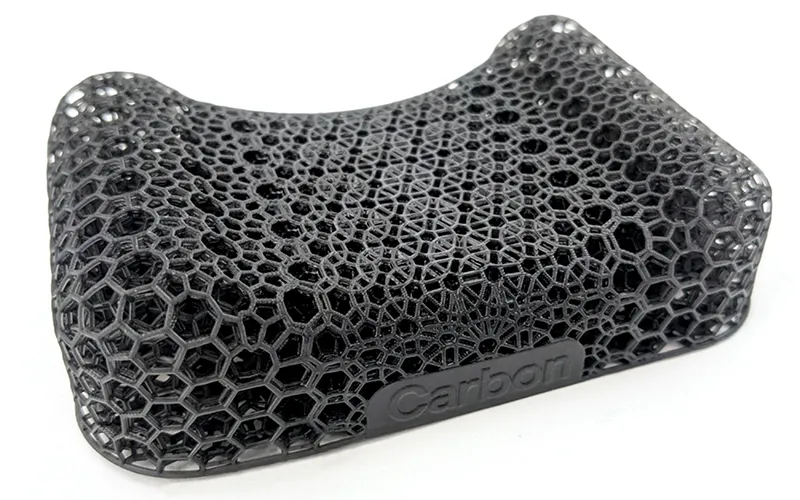
A Zone is an area of a lattice with a single lattice type, cell size, and strut diameter.
Single-Zone Lattice
Single-zone lattices are best when performance needs are simple, such as creating a basic cushion or lightweighting a part that doesn’t have stringent mechanical requirements.
Multi-Zone Lattice
More demanding applications can require a lattice with multi-zones that seamlessly blend together to achieve a precise mechanical response.
Thermal Management
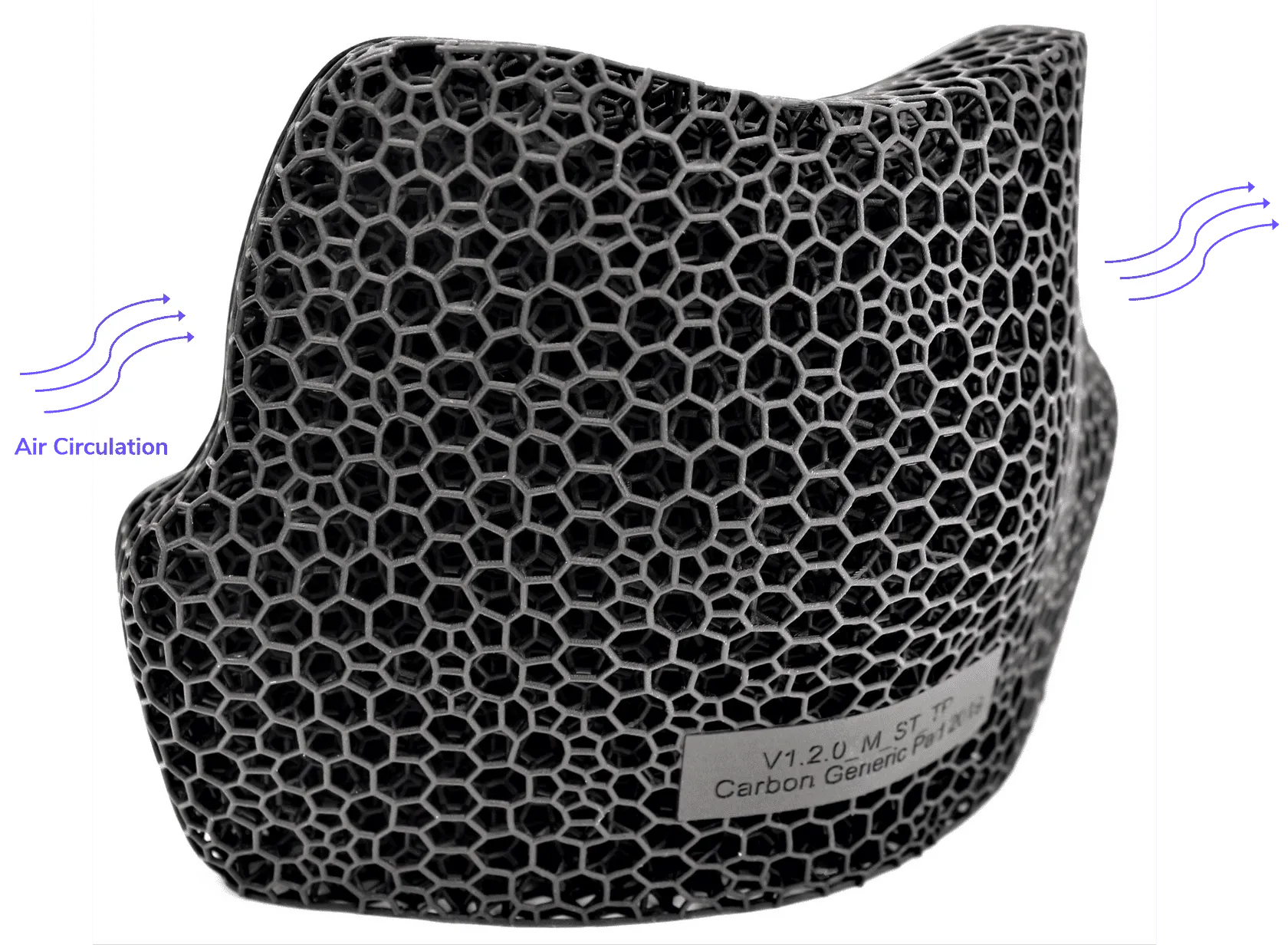
Lattices allow for comfort with thermal management by means of natural air circulation.
Elastomer lattices create a unique opportunity for foam replacement. Unlike foam, which can retain heat and become uncomfortable, lattices are breathable. This benefit can be especially powerful in athletic applications.
Other Benefits
Carbon Design Engine does more than create lattices.
Textures
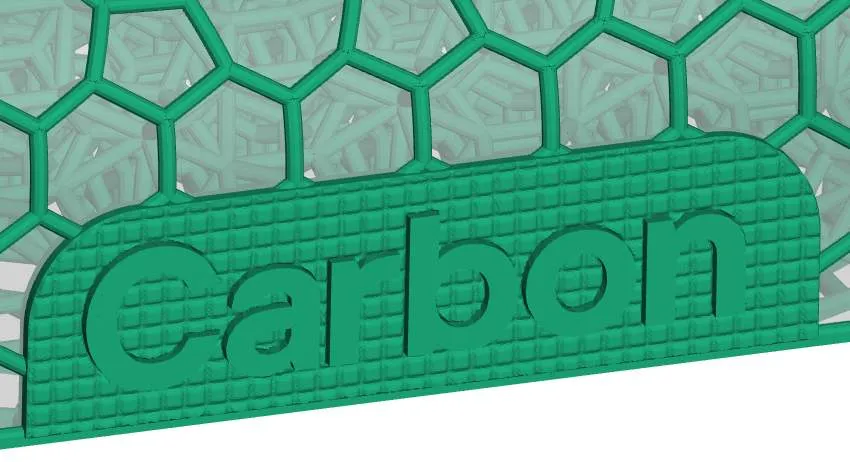
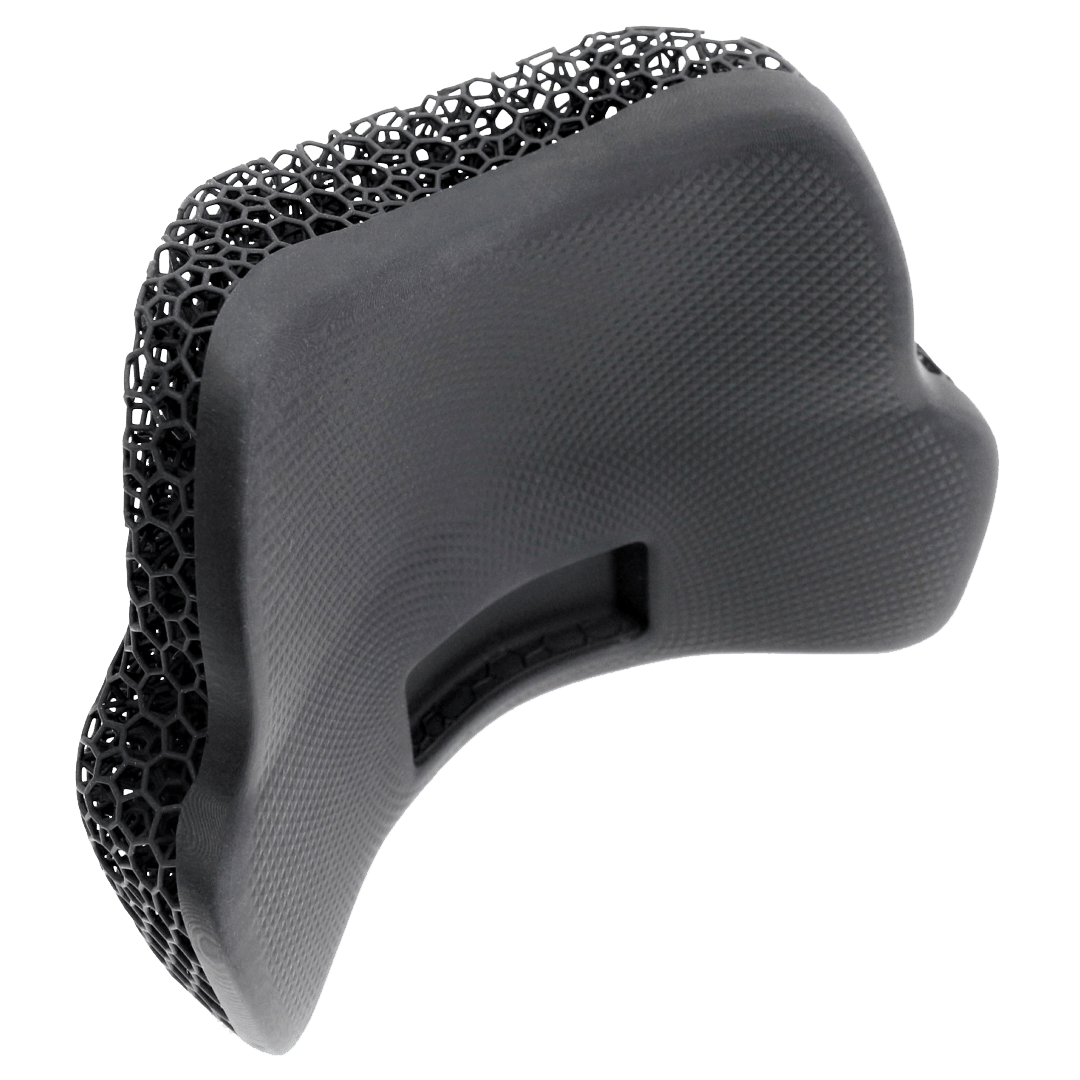
Design Engine offers the ability to apply textures to your mesh parts. Two categories of texture are available: random noise textures or tile textures that apply a decorative pattern.
Combine
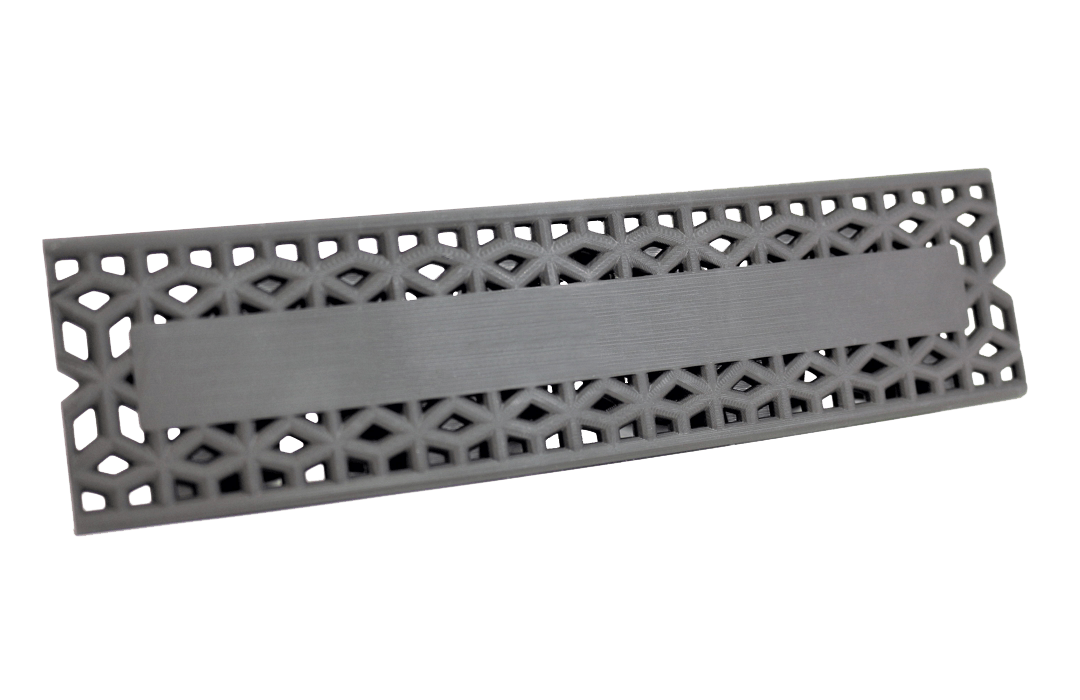
You are not limited to exporting a printable lattice mesh on its own. You can Combine the lattice with any other connecting geometries to create a single, comprehensive part.
Cloud Processing

Processing in the Cloud Saves Local Resources
Producing a complex lattice structure is computationally demanding and requires a lot of processing power.
Carbon Design Engine does not require that processing power from your local hardware. Your STL models are uploaded to the Carbon cloud and uses cloud services to generate lattices.
Application Potential
The case study examples below represent a range of performance applications for lattices. Click on the link to read the case studies.
Energy Return & Support
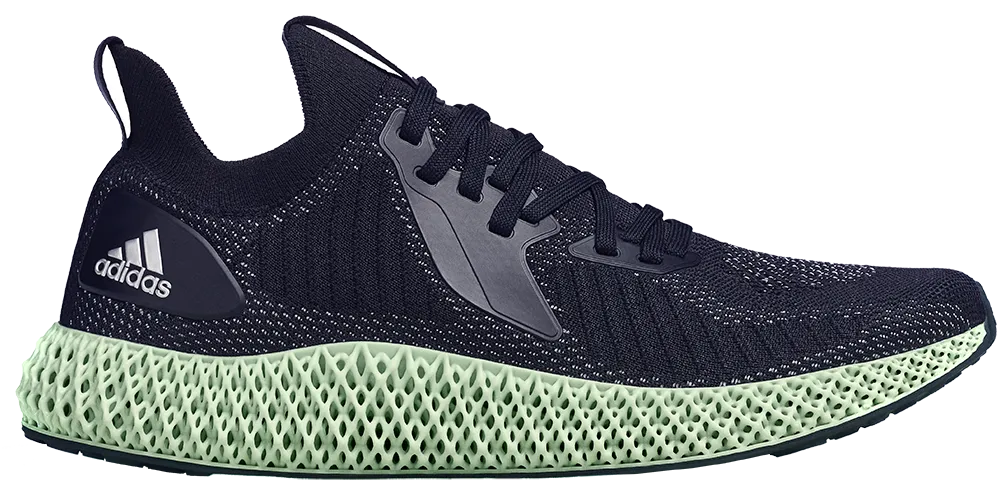
Printed midsoles on high performance running shoes.
Created with adidas' proprietary lattice design.
Energy Absorption & Impact
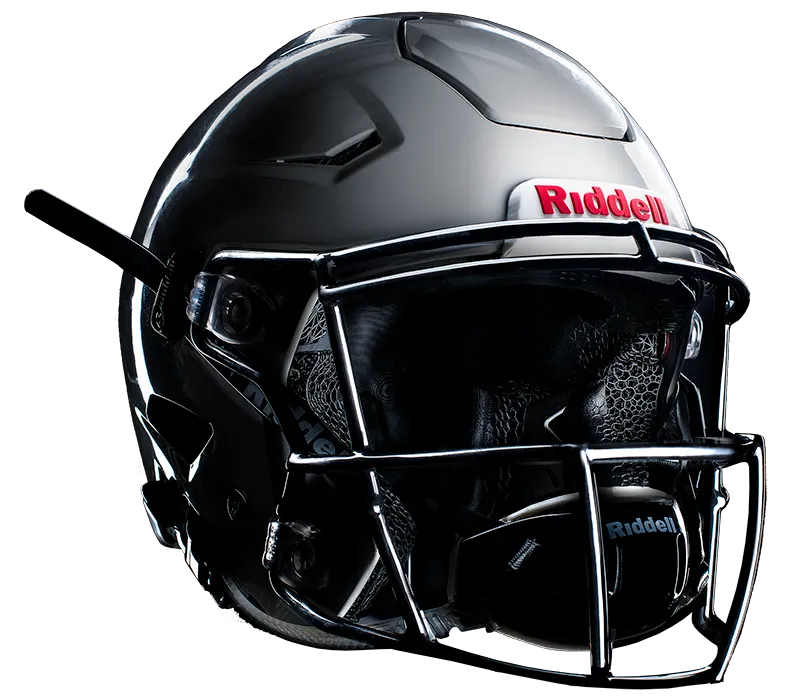
Printed protective padding in NFL football helmets.
Select helmet pad sections use multi-zone lattices.
Comfort & Minimal Wear Fatigue
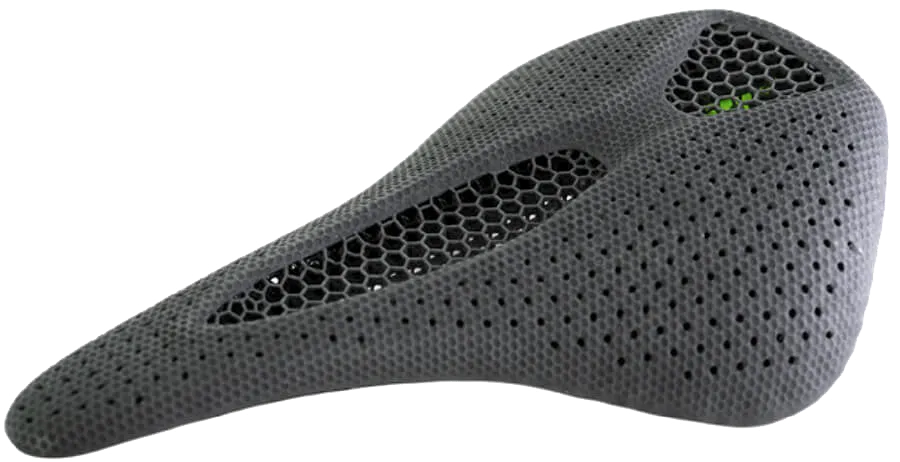
Printed padding on bike saddles.
Saddle uses multi-zone lattices.
Functional and Flexible
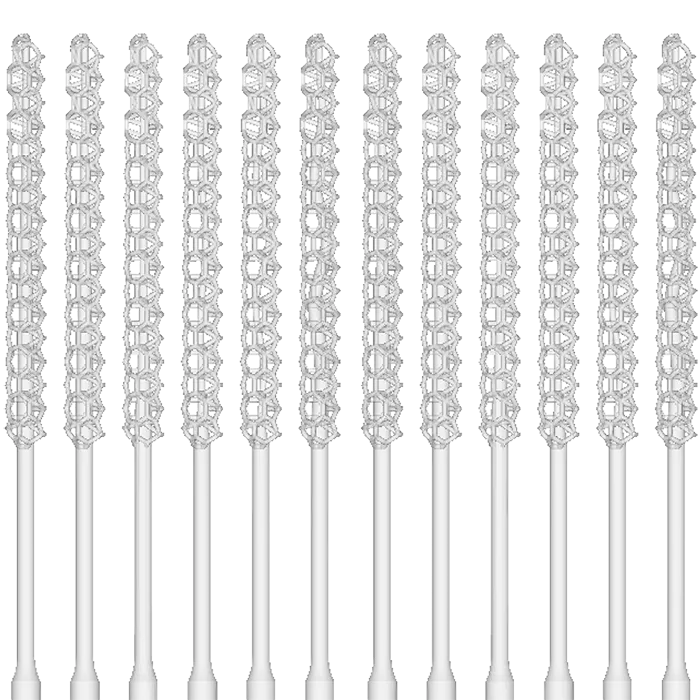
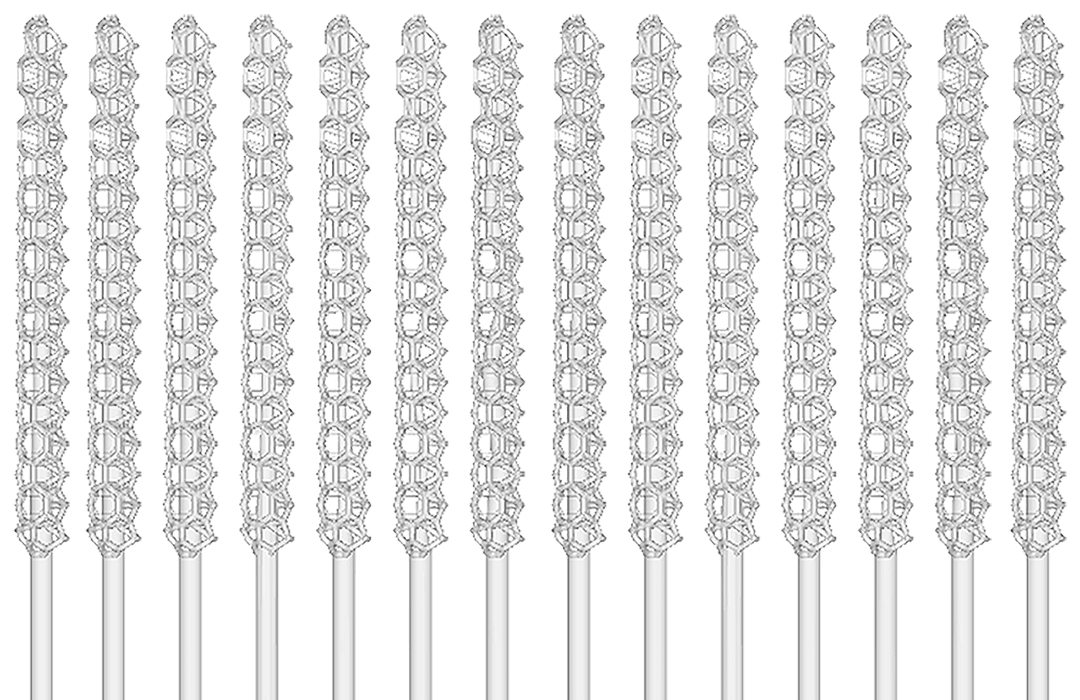
Printed COVID-19 testing swabs.
Single-zone lattice created with Carbon® Design Engine. Lattice merged with a with solid handle and printed in KeySplint Soft® Clear.